Childcare Costs and Daily Life With Young Kids in Budapest
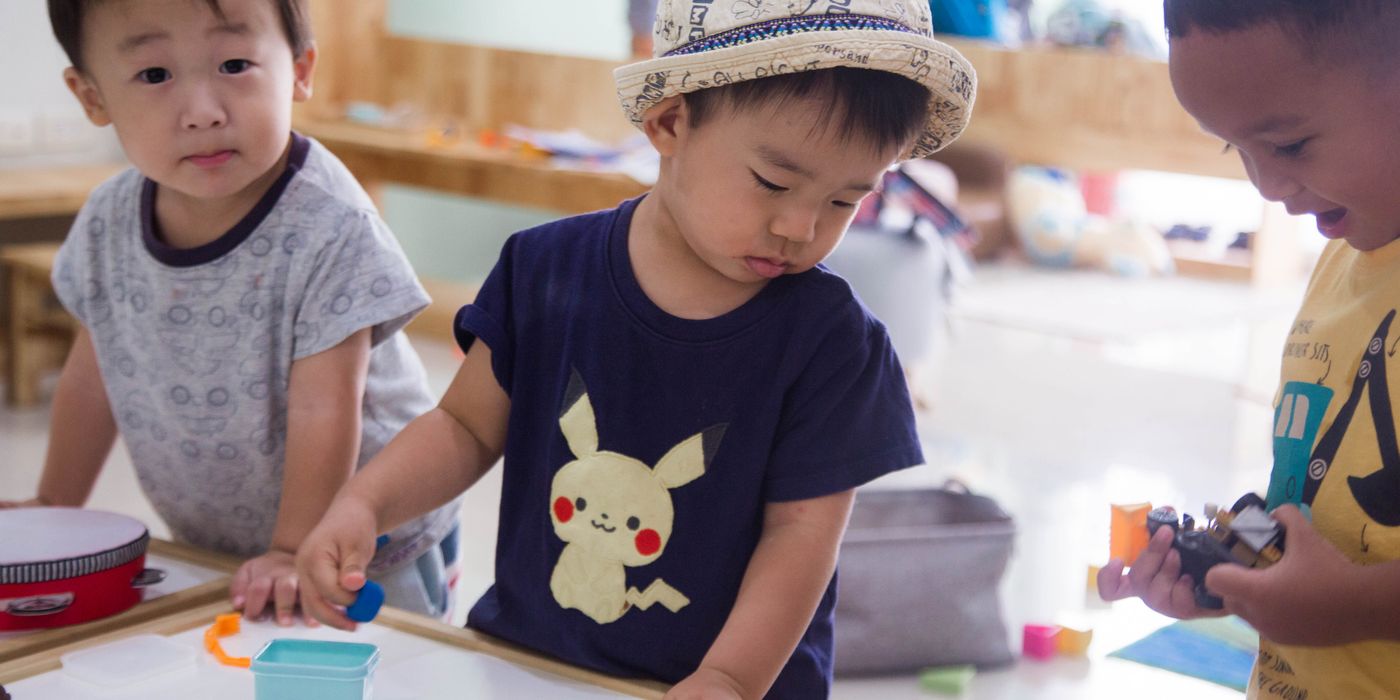
- Public kindergarten (óvoda) is free from age 3: you pay only for meals and a small class fund.
- Public nursery (bölcsőde) for under-3s is income-based and capped at 25% of per capita net income, so many families pay only a small meal fee.
- Private and international nurseries run from about HUF 100,000 to HUF 300,000 per month, and babysitters charge around HUF 3,200 per hour.
- The family tax allowance and benefits such as CSED and GYED lower the real cost for tax-paying residents.
How much does childcare cost in Budapest?
Childcare in Budapest is far cheaper than in most of Western Europe, and for many families the public system is close to free. Public kindergarten (óvoda, kindergarten) is free from the age of 3, and public nursery (bölcsőde, crèche) for under-3s is income-based, so the amount you pay depends on your household income.
Private and international options cost much more. A private full-day nursery in Budapest often runs close to HUF 100,000 per month, while private and international preschools sit higher again. A babysitter costs around HUF 3,200 per hour. The sections below break down each option so you can plan a realistic monthly budget.
Bölcsőde (public nursery): what do you actually pay?
Public bölcsőde (nursery) takes children under the age of 3 and is not compulsory. The care itself is heavily subsidised, so what you pay is means-tested. By law the total personal nursery fee including meals may not exceed 25% of the family's per capita net income (20% without meals), according to the European Commission's source.
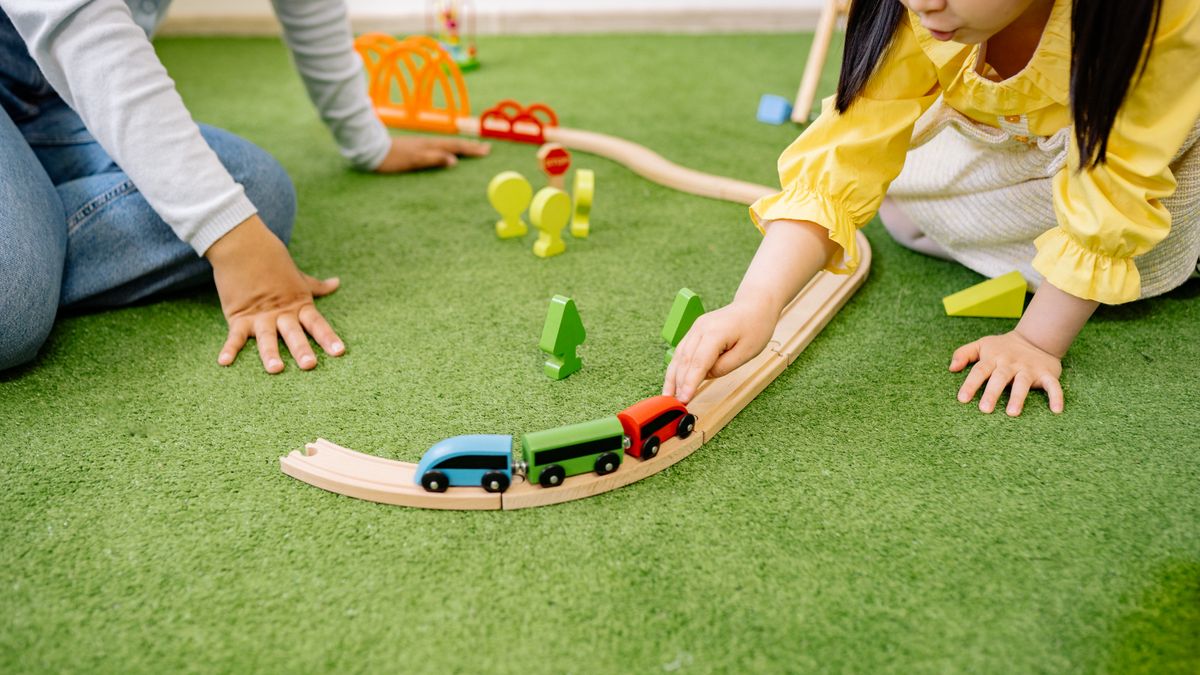
In practice many families pay only a modest meal fee. Reported averages are around €31 per month for meals and about €50 per month for care where a fee is charged, and roughly 67% of nursery children receive free meals (source). Several groups are exempt from the care fee entirely, including children in families with three or more children, chronically ill or disabled children, and those receiving child protection benefits.
Fees and exemptions are set locally by each district (kerület, district), so the exact amount varies across Budapest. Places in popular districts fill quickly, and priority often goes to working parents and local residents, which makes early registration important.
Óvoda (kindergarten): free from age 3
From the age of 3, kindergarten (óvoda) is both compulsory and free of charge, and children must attend for at least four hours on each weekday, per the European Commission's source. This is one of the biggest reasons Budapest stays affordable for families with preschoolers.
Parents still pay for meals and a small amount of class money (csoportpénz, class fund) for outings, craft materials and occasional activities like puppet theatre or swimming. Low-income and larger families qualify for free or reduced meals. State kindergartens teach in Hungarian, so many international families use them for early-years immersion. For English or bilingual settings, see the private options below and our guide to bilingual kindergartens and nursery options.
What do private and international nurseries cost?
Private nurseries and international preschools charge market rates. A private full-day crèche in Budapest and the surrounding Pest County often costs close to HUF 100,000 per month for five days a week including meals. Numbeo puts the typical private full-day preschool at about HUF 170,000 per month, with a range from roughly HUF 110,000 to HUF 300,000.

International preschools that teach fully in English or another language sit at the top of that range, and fees rise again once children reach primary age. For context, the average net wage in Hungary was about HUF 535,900 per month in mid-2026, so an international nursery can absorb a large share of one salary. If you are comparing full international schools for older children, our guide to international school fees covers the 8,000€ to 22,000€ per year range in detail.
How much do nannies and babysitters cost?
Hiring individual help is common and reasonably priced. In Budapest the average babysitting rate is around HUF 3,200 per hour, with experienced or English-speaking sitters charging more. Occasional evening babysitting is therefore affordable for most working families.
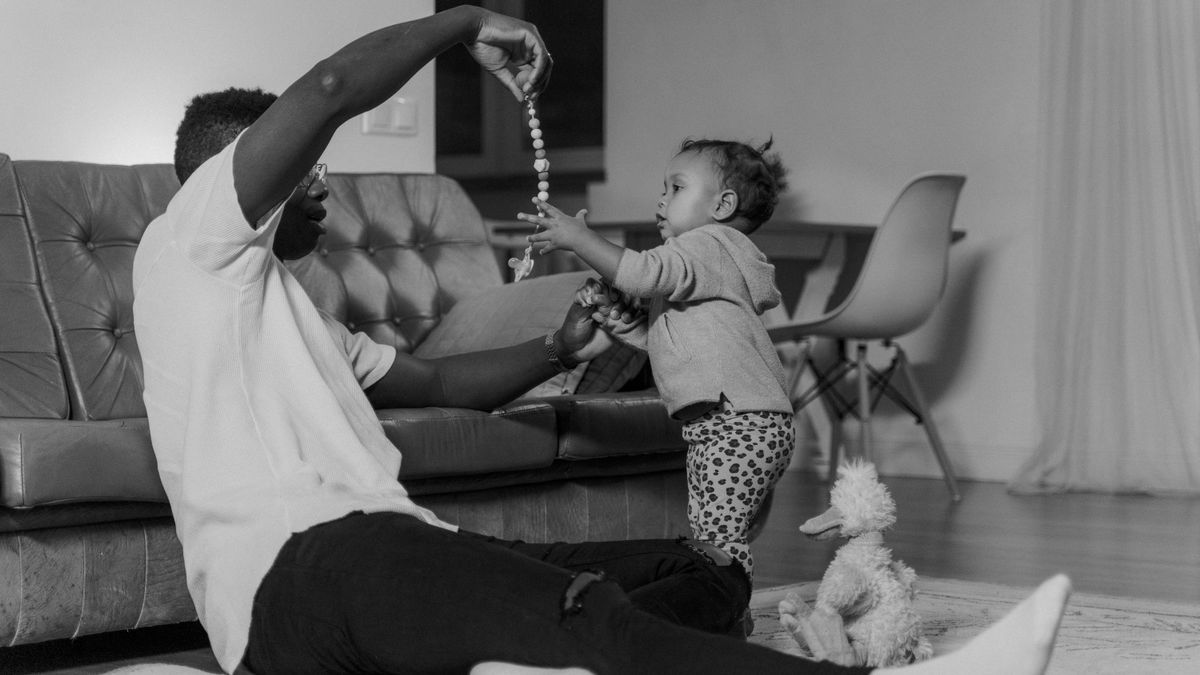
A full-time or live-in nanny costs more once you account for a proper employment contract and social contributions, but it can still work out cheaper than a private international nursery, especially for two or more children. Many families combine a public place with a part-time sitter to cover early mornings, late pickups or school holidays.
Shared nannies (one carer split between two families) and au-pair arrangements are also popular ways to cut the hourly cost while keeping care in your home language. Whichever route you choose, agree the schedule, holiday pay and cancellation terms in writing from the start, since informal deals are the most common source of friction later.
How do families lower the real cost?
The headline fees are not the whole picture. Families who pay Hungarian tax can claim the family tax allowance, which reduces monthly income tax for each dependent child. Depending on your situation you may also qualify for parental benefits such as CSED (infant care allowance) and GYED (childcare fee), which support income during a child's first years.
These benefits can meaningfully offset childcare costs, but eligibility depends on your residence and contribution status. Our guide to Hungary's family tax allowance explains how much each child is worth and who can claim, while CSED and GYES or GYED cover the parental-leave side. Combining a subsidised public place with these allowances is what makes raising young children in Budapest genuinely low-cost.
Daily life with young kids in Budapest
Beyond formal care, day-to-day life with small children is manageable and often cheaper than in Western capitals. Budapest has a dense network of free public playgrounds (játszótér, playground), many recently renovated, and large green spaces such as Margaret Island and the City Park give families room to roam. Museums, the zoo and family-friendly thermal baths regularly offer reduced child tickets.
Everyday baby costs (nappies, formula, wipes and baby food) are widely available in supermarkets and drugstore chains, and generally cost less than in France, Germany or the UK. For medical care, children are well served by both public paediatricians and private English-speaking clinics. Weekend life is easy on a young-family budget too, with playgrounds, riverside walks and child-friendly cafes rarely requiring a booking or a big spend. The wider Family and Education hub collects our guides on schooling, healthcare and benefits in one place.
How do you enrol, and what do you need?
Access to public nursery and kindergarten places is organised by district. In most cases your child needs to be a registered resident with an address card (lakcímkártya, address card), and you apply to the local municipality or directly to the institution during the annual enrolment window, usually in spring. Priority commonly goes to working parents and children living in the catchment area.
Many administrative steps now run through the national online identity gateway, which since 2025 requires the two-factor Ügyfélkapu+ or the DÁP mobile app rather than the old single-password login. You can find local offices and enrolment information through the government's citizen portal. Registering early matters, because popular nurseries in central districts fill months ahead.
Frequently asked questions
Is kindergarten free for foreigners in Budapest?
Public kindergarten (óvoda) is free from the age of 3 for children who are legally resident in Hungary, and it is compulsory for at least four hours per weekday. Parents pay only for meals and a small class fund, with reductions for low-income and larger families (source).
How much is a public nursery (bölcsőde) in Hungary?
Nursery care for under-3s is income-based. The total fee including meals cannot exceed 25% of the family's per capita net income (20% without meals), and many families pay only a small meal fee of around €31 per month, with roughly 67% of children receiving free meals (source).
What does a private nursery cost per month in Budapest?
A private full-day nursery in Budapest often costs close to HUF 100,000 per month (source), and Numbeo lists a typical private preschool at about HUF 170,000, ranging from HUF 110,000 to HUF 300,000 (source). International preschools sit at the higher end.
At what age can my child start nursery or kindergarten?
Nursery (bölcsőde) accepts children under the age of 3 and is optional, while kindergarten (óvoda) is compulsory and free from the age of 3 (source). Most children move from nursery to kindergarten in the September after they turn 3.
How much do babysitters charge in Budapest?
The average babysitting rate in Budapest is around HUF 3,200 per hour (source), with experienced or English-speaking sitters charging more. A full-time nanny costs more once a formal contract and social contributions are included.
This article is general information for people relocating to Hungary, last reviewed in July 2026. It is not legal, tax or medical advice. Rules change often, so always confirm the current details with the official sources linked above before you act.
← Back to Family & Education