Moving to Budapest With Kids: The Family Relocation Guide

- Budapest is one of Europe's safer and more affordable capitals for families, with most international schools clustered on the greener Buda side.
- International school tuition runs 8,000€ to 22,000€ a year, well below Vienna, Paris or Zurich, and the free Hungarian system is an option too.
- Hungary's family support is generous and grew again in 2026, though the tax allowance itself is limited to citizens of the EEA, Hungary, Ukraine and Serbia.
- Plan the move in order: secure a school place, then housing in that district, then the paperwork (residence registration, address card and TAJ number).
Is Budapest a good city to move to with children?
Yes. Budapest is one of the more practical European capitals for a family move, combining lower costs, a compact and walkable centre, and a well established network of international schools. Families relocating from Western Europe or North America usually find that a comparable standard of living costs noticeably less here.
Safety is the first question many parents ask. Budapest's crime index sits around 33.9 on Numbeo, below London and Paris, and Hungary is rated Level 1 (the safest tier) by the US State Department. Public transport is clean and reliable, and older children commonly travel to school by bus or metro on their own.
The trade-offs are the language (Hungarian is hard, though rarely a barrier in daily life in the capital) and the two-speed school and healthcare systems, where many expat parents combine public entitlements with private options. This guide walks through districts, schooling, budgets, paperwork and benefits so you can sequence the move in the right order.
Where do families with children live in Budapest?
Most expat families settle on the Buda side, where the hills are greener and quieter and where the majority of international schools cluster. Districts II and XII (the Buda hills, District XII is known as Hegyvidék, meaning hill country) are the classic choices, with District III a slightly more affordable neighbour.
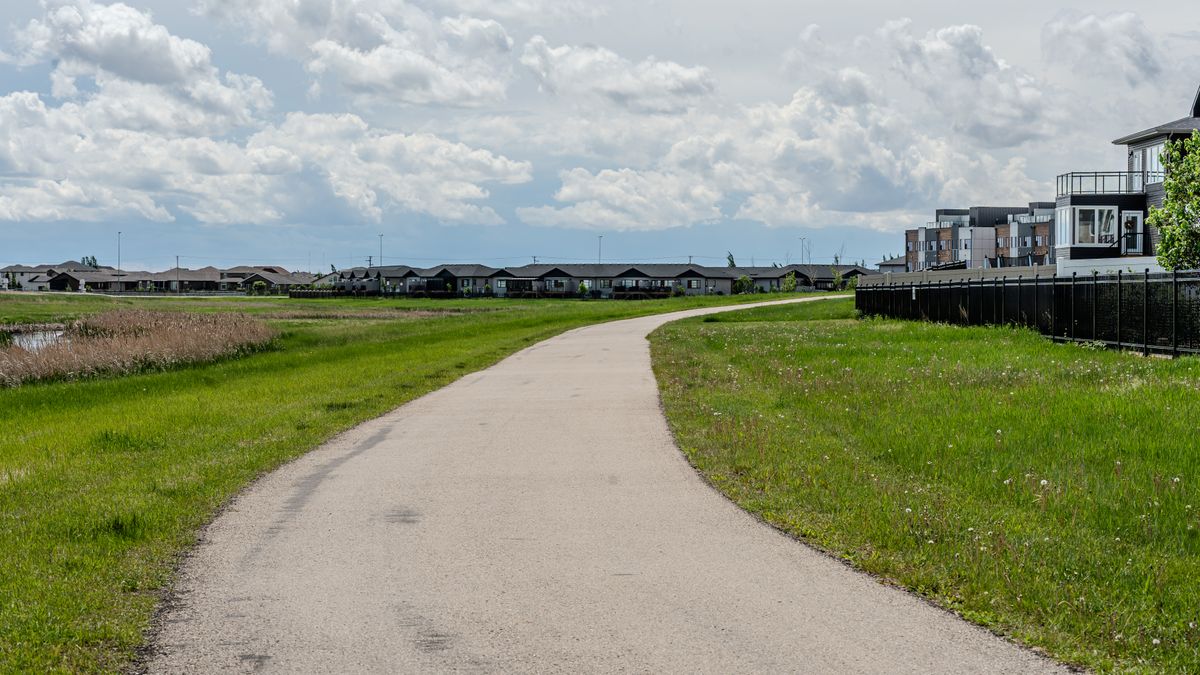
On the Pest side, District XIII (Újlipótváros, a leafy riverside quarter) is a long-standing family favourite: flat for prams, close to the centre and full of cafes and parks. The central nightlife districts VI and VII suit young singles more than families with small children.
In practice, the school usually comes first and the district second. Many parents choose where to live only once they have a confirmed school place, to keep the daily commute short. A nearby playground, green space and a manageable school run tend to matter more than sitting in the very centre.
How much does it cost to raise a family in Budapest?
Two line items dominate a family budget: housing and schooling. A one-bedroom flat in the centre runs roughly 600€ to 840€ per month according to Numbeo, and the two or three-bedroom flats families need in good school districts sit above that. For local context, the average net wage was around HUF 535,900 per month in 2026 per the Central Statistical Office (KSH).
International school tuition is the single largest cost for many families, at 8,000€ to 22,000€ per year according to Global Citizen Solutions, before extras such as registration, enrolment, meals and bus. Even at the top of that range, families often pay far less than for comparable schools in Vienna, Paris or Zurich. Compare the options in the guide to international schools in Budapest and their fees.
Everyday costs (groceries, transport, activities and healthcare) are lower than in most Western European cities, which is a large part of why families with several children find Budapest workable. The free public school route, covered below, changes the maths considerably.
What are your school and childcare options?
Childcare and schooling follow a clear ladder: bölcsőde (nursery) for under-threes, óvoda (kindergarten) from age three (attendance becomes compulsory at three), then primary school from around age six. Placing a young child in an international or bilingual óvoda also gives the whole family an instant social network.

Families broadly pick between three routes. Fee-paying international schools offer English, French or German curricula (International Baccalaureate, British, American or German) and remove the language barrier from day one. Bilingual schools mix Hungarian with another language at a lower cost. The free state system integrates children fastest but teaches mainly in Hungarian.
Younger children adapt to a new language far faster than teenagers, so the age of your kids often decides the route. If budget is a priority, read how the free Hungarian school system works for foreign families before ruling it out.
What paperwork does the whole family need?
Every family member has to be registered, not just the working parent. EU and EEA citizens obtain a registration certificate for themselves and their dependents, while non-EU families usually arrive on one member's residence permit and bring the spouse and children through family reunification handled by the immigration authority (OIF).

The document that unlocks daily life is the lakcímkártya (address card), issued at a government window (Kormányablak) and costing around HUF 3,700 per Helpers Hungary. Children need one too, since it is requested for school enrolment, for registering with a doctor and for most administrative steps.
Health cover runs through the TAJ (social security) number, managed by NEAK. Children of insured parents are generally covered, but confirm each child's TAJ status early, because it is needed for a paediatrician, prescriptions and vaccinations.
What financial support do families get in Hungary?
Hungary runs one of Europe's most generous family support systems, and it expanded again in 2026. The family tax allowance doubled in two steps, and from 1 January 2026 it is worth up to HUF 20,000 per month for one child, HUF 40,000 per child for two children, and HUF 66,000 per child for three or more, according to Hungarian Conservative. Treat these figures as a 2026 snapshot, since they are adjusted almost every January.
Eligibility matters for foreigners. Since 2025, the family tax allowance and certain other personal allowances are limited to citizens of Hungary, the EEA, Ukraine and Serbia, per PwC Tax Summaries. Other support, such as the universal family allowance (családi pótlék) and maternity benefits like CSED and GYED, follows its own rules.
Because both the amounts and the eligibility shift year to year, confirm your own situation before counting on any figure. The dedicated guide to Hungary's 2026 family tax allowances explains how to claim the benefit and split it between two parents.
How does healthcare work for children?
Children access the public system through the TAJ number and a district family doctor or paediatrician, all managed by NEAK. Public paediatric care is competent, but it often runs in Hungarian and with waiting times, which is why many expat families add private cover on top.
Private clinics in Budapest offer English, French and German-speaking paediatricians, same-week appointments and international vaccination schedules, usually on a pay-per-visit or membership basis. A common setup is public entitlement through TAJ for major needs plus a private paediatrician for everyday visits.
For newborns and young children, check the vaccination calendar early, since the Hungarian schedule differs slightly from other countries. The guide to children's healthcare and paediatricians in Budapest covers clinics, costs and vaccinations in detail.
What is day-to-day family life in Budapest like?
Budapest is a genuinely child-friendly city. Thermal baths, Margaret Island, City Park, the zoo and an extensive network of playgrounds fill weekends, and getting around with a pram on public transport is straightforward. Many museums and attractions are free or cheap for children.

The expat family community is active and welcoming, organised around schools, kindergartens and parent groups, which shortens the settling-in period considerably. English goes a long way in the capital, though a few words of Hungarian are always appreciated.
A realistic timeline for a family move is a few months: line up a school place, then housing in that district, then the paperwork (registration, address card and TAJ) in the first weeks after arrival. Sequenced that way, most families are settled within a single school term.
Frequently asked questions
Do children need to speak Hungarian to go to school in Budapest?
No for international and bilingual schools, which teach in English, French or German and accept families with no Hungarian. Children usually pick up basic Hungarian through daily life. The free state system does teach mainly in Hungarian, so younger children adapt to it far faster than teenagers.
Is Budapest safe for raising children?
By the data, yes. Budapest's crime index is around 33.9 on Numbeo, lower than London or Paris, and Hungary sits at Level 1 (the safest category) with the US State Department. Central districts are walkable and public transport is reliable.
How much are international school fees in Budapest?
Roughly 8,000€ to 22,000€ per year in 2026 depending on the school and year group, before extras like registration, meals and bus, according to Global Citizen Solutions. That is well below comparable schools in Vienna, Paris or Zurich.
Can non-EU families move to Budapest with their children?
Yes. Typically one parent first secures a residence permit (through work, business or the White Card), then the spouse and children join through family reunification handled by the immigration authority (OIF). Each family member is registered and receives an address card.
Do foreign families qualify for Hungary's family tax benefits?
It depends on citizenship. Since 2025 the family tax allowance is limited to citizens of Hungary, the EEA, Ukraine and Serbia per PwC Tax Summaries, so many non-EEA parents cannot claim it directly. Other family benefits follow their own rules, so confirm your status.
This article is general information for people relocating to Hungary, last reviewed in July 2026. It is not legal, tax or medical advice. Rules change often, so always confirm the current details with the official sources linked above before you act.
← Back to Family & Education