Where to Live in Budapest: A District Guide by Profile

- Young professionals and nightlife: central Pest, Districts V, VI, VII and IX.
- Families and green space: Buda's Districts II, XI and XII, or Újlipótváros in District XIII.
- Central, walkable base for first-timers: Districts V and XIII.
- A one-bedroom runs about 600€ to 840€ per month, cheaper as you move out from the core.
Which Budapest district should you choose?
The short answer: young professionals and nightlife lovers gravitate to central Pest (Districts V, VI, VII and IX), families and quieter households prefer Buda (Districts II, XI and XII) or leafy Újlipótváros (New Leopold Town) in District XIII, and first-timers who want to walk everywhere do well in the central ring around Districts V, VI and XIII. Budapest is small, safe and well connected, so no popular expat district is a wrong choice.
This guide sorts the city by profile rather than by a single ranking, because the right district depends on whether you value nightlife, green space, schools, budget or a short commute. Budapest is divided into 23 numbered districts, and each central one has a distinct character you can feel within a few streets. source
How is Budapest divided into districts?
Budapest sits on two banks of the Danube: hilly, residential Buda on the west and flat, dense Pest on the east, joined by a third historic area, Óbuda (Old Buda), to the north. The city is split into 23 districts written in Roman numerals from I to XXIII, and the district number is built into every address: the middle two digits of the four-digit postal code give the district, so 1064 sits in District VI and 1013 in District I. source
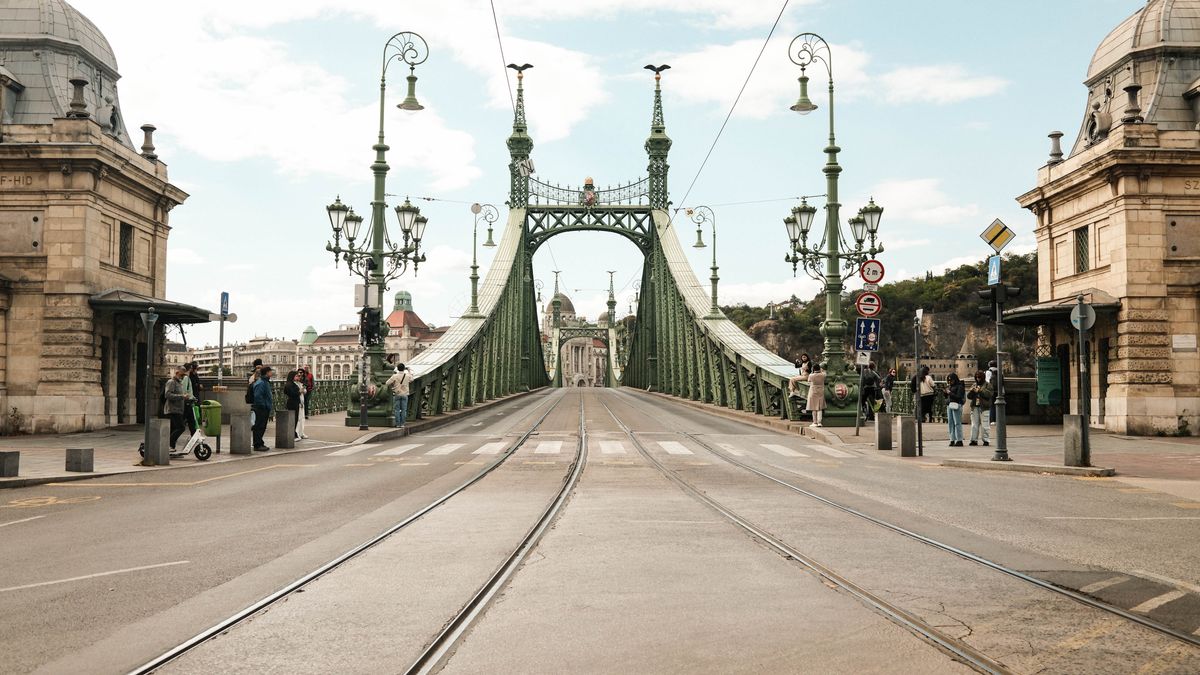
Two ring roads organise central Pest. The inner Kiskörút (small boulevard) wraps the historic core, and the outer Nagykörút (grand boulevard) traces a wider arc through Districts V, VI, VII, VIII, IX and XIII. Most expats end up living inside or just outside the Nagykörút, or across the river in the first ring of the Buda hills. Trams, four metro lines and the suburban HÉV network stitch these areas together, so you rarely need a car to live comfortably.
Which districts suit young professionals and singles?
If you want restaurants, bars and coworking within walking distance, base yourself in central Pest. District VII, the old Jewish Quarter, is the epicentre of nightlife with its ruin bars, late-night food and a dense international crowd of students, remote workers and creatives. It is lively and sometimes loud, which is exactly why younger residents love it and light sleepers avoid its busiest streets.
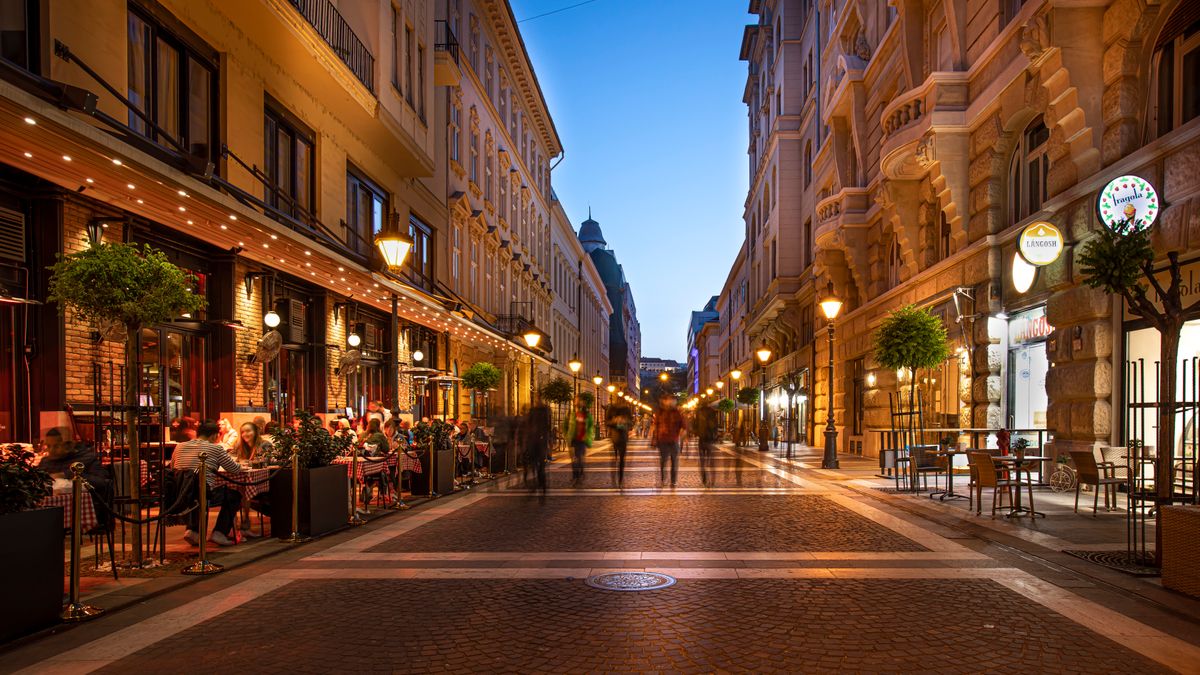
Next door, District VI (Terézváros) blends the grandeur of Andrássy Avenue with a busy cafe and dining scene around Liszt Ferenc Square, while District V (Belváros, the inner city) is the polished, most central and priciest heart around Parliament and the riverside promenade. For better value with the same energy, look at District IX (Ferencváros): the redeveloped Corvin Quarter and the riverside around the Bálna offer modern flats, strong tram links and rents that stretch further than the core. Newcomers who prioritise going out over square metres are happiest in this cluster.
Which districts are best for families?
Families with children usually choose Buda for green space and schools. District II (which includes Rózsadomb, or Rose Hill, and Pasarét) is the traditional home of diplomats and long-staying foreigners, with detached villas, gardens and the Buda hills at the doorstep. District XII (Hegyvidék, meaning hill country) has the cleanest air in the city and sits near several international schools, including long-established British and embassy-linked options.

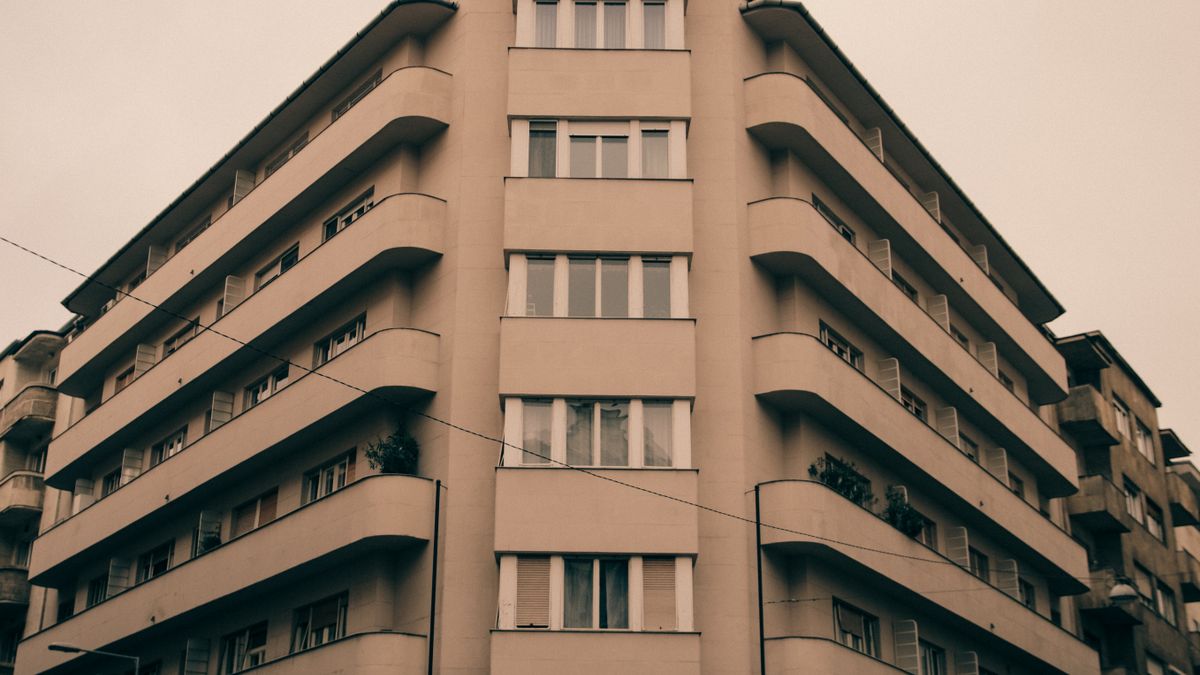
For families who want a normal budget and Pest energy without the noise, two options stand out. District XIII, and specifically the Újlipótváros pocket around Szent István Park and Pozsonyi út, feels like a small town inside the metropolis: 1930s Bauhaus blocks, mature trees, a riverside park and a calmer cafe culture than District VII. District XI (Újbuda) balances greenery, the 4 and 6 tram, the M4 metro and reasonable rents, which makes it the most practical all-rounder. International school fees in Budapest typically run from 8,000€ to 22,000€ per year, so proximity to the right school often drives the district choice. source For a fuller split of quiet versus lively streets, see our guide to family and nightlife neighborhoods.
Where should first-timers and couples set up a central base?
Newcomers who do not yet know the city, and couples who want to walk to almost everything, are best served by the central ring. District V puts Parliament, the Danube promenade, the banking core and the main pedestrian shopping streets on your doorstep, at the highest prices in the city. A softer landing with the same walkability is District XIII along the Pest riverfront, where Újlipótváros offers safe streets, everyday shops and quick tram access to the centre.
District VI is the natural middle ground: central, characterful and a little cheaper than District V, with Andrássy Avenue and the M1 (the historic yellow metro line) running beneath it. Renting first and buying later is the standard approach, since a month of living in an area tells you more than any guide about noise, light and the real commute. Our overview of renting an apartment in Budapest walks through prices, contracts and deposits before you commit.
Which areas suit retirees and slow living?
Retirees and anyone after a slower pace tend to prefer the Buda side. Districts II and XII give you forest walks, quiet streets and clean air while staying inside the city, and District III (Óbuda) mixes Roman ruins, riverside paths and calmer, more affordable housing than the prestige hills. These areas trade nightlife for greenery and space, which suits households that value a garden or a park bench over a late bar.
Across the river, the calmer stretches of District XIII and the residential edges of District XIV (Zugló), with its villas near the City Park, offer a middle path: green and quiet, yet flat and easy to walk for those who prefer not to climb hills. Budapest's overall crime index sits around 33.9 on Numbeo, moderate and well below London or Paris, which reassures older newcomers comparing cities before a move. source
How much does rent vary between districts?
Location is the single biggest lever on your housing budget. A one-bedroom apartment in the central districts generally costs around 600€ to 840€ per month according to cost-of-living trackers (source, source).
Within that band, the most central and prestigious addresses (Districts V, VI and VII, plus Rózsadomb in District II) command the top rents, while District XIII and the more outlying pockets sit noticeably lower. Market trackers put central one-bedroom flats at roughly 670€ to 900€ a month and comparable homes in District XIII and outer districts closer to 380€ to 550€. source Buying follows the same map: the hills of Buda and the core of Pest are dearest, and value improves as you move outward along the tram lines. For a full monthly picture beyond rent, see our Budapest cost of living breakdown.
How do you choose the right district for you?
Weigh four practical factors before signing a lease: commute, budget, lifestyle and schools. Because public transport is fast and cheap, living one or two stops out often buys more space for the same money with no real time penalty. A monthly Budapest transport pass costs 8,950 HUF (about 23€) as of 2026, covering trams, metro, buses and the HÉV inside the city. source
Match the district to your daily life: nightlife and dining point to Districts VI, VII and IX; families and green space point to Districts II, XI, XII and Újlipótváros in District XIII; a central, walkable base points to Districts V and XIII. The outer and southern districts (such as parts of VIII, X and the far suburbs) are cheaper and steadily improving, but check the specific street rather than the district number, since character can shift block by block. If you are still torn between the two banks of the river, our Buda versus Pest comparison weighs the trade-offs in detail. Whichever you pick, renting for a season first is the safest way to test the fit.
Frequently asked questions
What is the most popular district for expats in Budapest?
The most popular expat districts are V, VI, VII and XIII on the Pest side and I, II, XI and XII on the Buda side. District VII draws younger renters and nightlife, District XIII (Újlipótváros) suits families who want a calm yet central base, and Districts II and XII appeal to families living near international schools.
Is Buda or Pest better for living?
Buda is hillier, greener and quieter, favoured by families and retirees, while Pest is flat, dense and lively, favoured by young professionals who want nightlife and dining nearby. Neither is objectively better: Buda trades energy for calm, and Pest trades green space for walkable city life.
Which Budapest district is best for families?
For families, Districts II and XII in Buda offer green streets and proximity to international schools, District XI (Újbuda) is the practical mid-budget all-rounder, and District XIII's Újlipótváros gives a calm, central Pest base by the river. School location and budget usually decide between them, with international school fees running 8,000€ to 22,000€ per year. source
What is the cheapest district to live in Budapest?
Rents are lowest in outer districts such as VIII, X and XIV and in the further reaches of III and XI, where a one-bedroom can fall below the central average of about 600€ to 840€ per month. Value improves as you move outward along the tram and metro lines, and public transport keeps commutes short. source
Is it safe to live in central Budapest?
Yes. Budapest's crime index on Numbeo is around 33.9, moderate and lower than London or Paris, and the central expat districts are generally safe by day and night. As in any capital, take normal precautions against pickpocketing in crowded tourist and nightlife areas. source
This article is general information for people relocating to Hungary, last reviewed in July 2026. It is not legal, tax or medical advice. Rules change often, so always confirm the current details with the official sources linked above before you act.
← Back to Housing & Real Estate