Budapest Neighborhoods for Families vs Nightlife
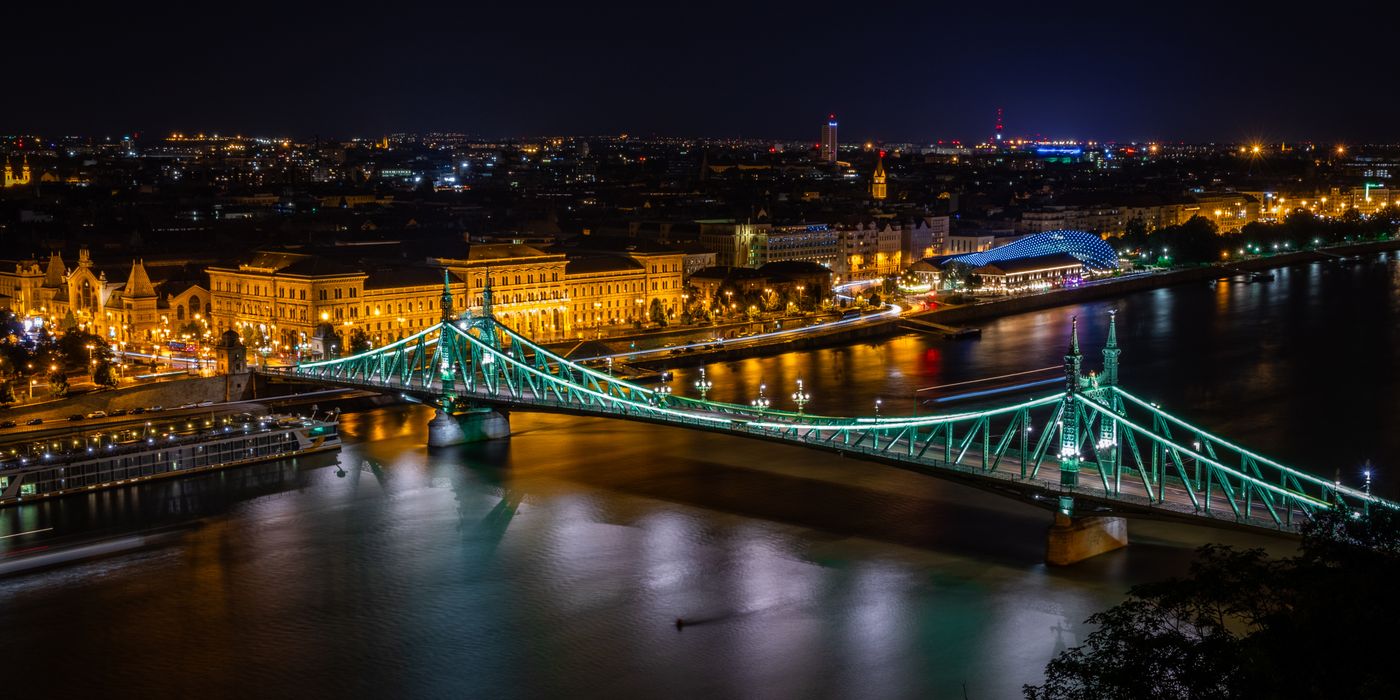
- For families, the calm green districts win: the Buda hills (II and XII) and riverside Ujlipotvaros (District XIII), with parks, quiet streets and international schools close by.
- For nightlife, District VII (Erzsebetvaros, the old Jewish Quarter) is the undisputed centre and home of the ruin bars, while neighbouring VI and V stay lively too.
- A one-bedroom in a central district runs roughly 600€ to 840€ a month as of 2026, with the Buda hills and District V at the top of the range.
- The party core is genuinely noisy at night, but the wider city is very safe by European standards, so most families simply pick a street a few blocks from the bars.
Which Budapest neighborhoods suit families, and which suit nightlife?
Budapest splits into two clear rental personalities. Families gravitate to the leafy Buda hills, mainly District II and District XII, and to riverside Ujlipotvaros (New Leopold Town) in District XIII on the Pest side, where quiet streets, parks and international schools sit close together. People who move for the nightlife head to Erzsebetvaros (Elizabeth Town) in District VII, the old Jewish Quarter that invented the ruin-bar scene and still runs loudest after dark.
Neither profile is right or wrong, they simply answer different questions. This guide maps the family districts, the nightlife core and the middle-ground areas that offer a bit of both, so you can match a postcode to your life stage before you sign a lease. For a wider view of every area by profile, see our district guide by profile and the full Housing and Real Estate hub.
What makes a Budapest neighborhood family-friendly?
Family-friendly in Budapest usually comes down to three things: green space within a short walk, calm low-traffic streets, and quick access to schools and childcare. The districts that score highest combine large parks and residential blocks rather than bars and tourist traffic.
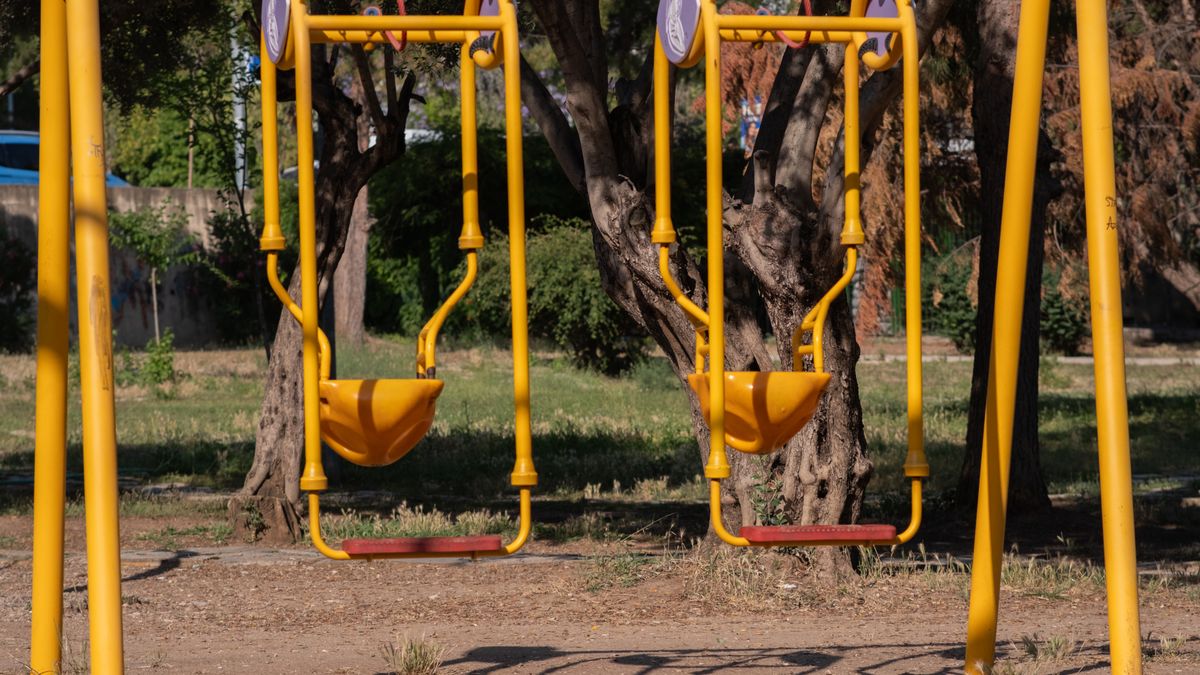
School proximity matters more than in many cities because international education is concentrated in specific areas. Most English, German, French and American schools sit in the Buda hills (Districts II and XII) or just outside the centre, and annual fees run from 8,000€ to 22,000€ depending on the school and grade. Families often choose a district around the school run rather than the other way round.
Practical markers families look for:
- Public parks and playgrounds within walking distance
- Quiet, low-speed residential streets away from the ruin-bar core
- Pediatricians, pharmacies and everyday shops nearby
- Reliable public transport for the school commute
Which districts are best for families?
Four areas consistently top expat family shortlists. On the Buda side, District II (including Rozsadomb, Rose Hill) and District XII (Hegyvidek, the Hill District) offer houses with gardens, forest walks and the highest concentration of international schools. Across the river, Districts XIII and XIV give families a more urban but still calm option.
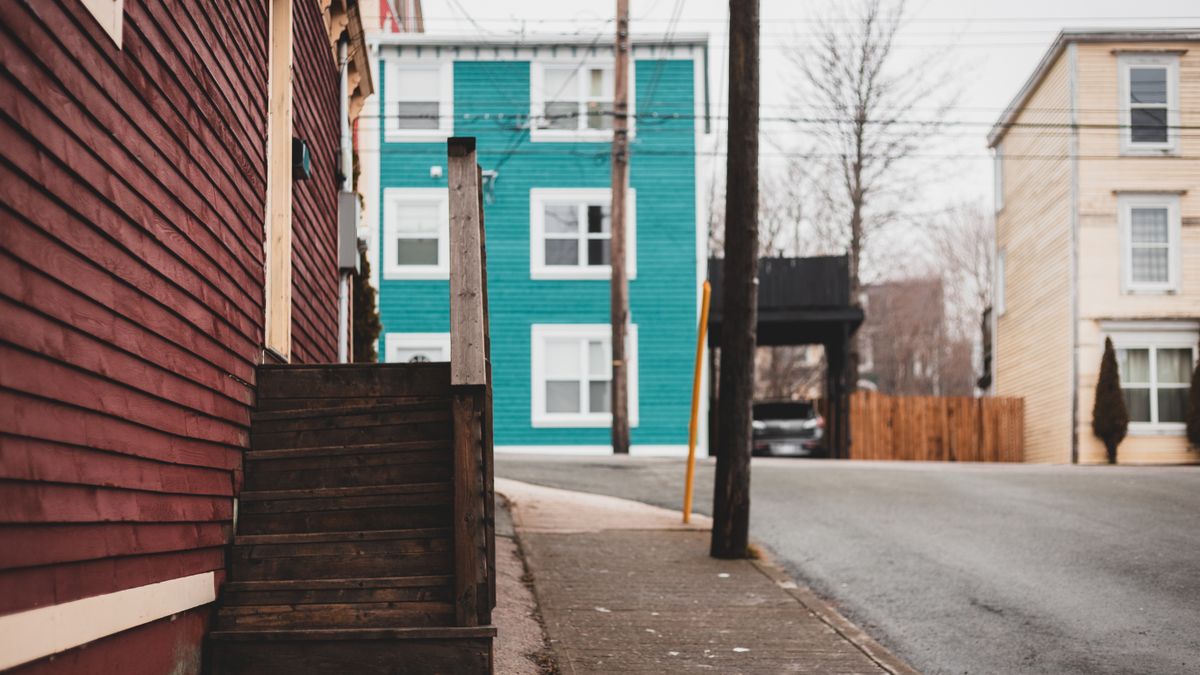
District II and XII (Buda hills): upscale, green and quiet, with parks, hiking on Janos Hill and the children's railway. These rank among the most expensive rental areas alongside central District V, so budget accordingly.
District XIII, Ujlipotvaros: riverside on the Pest side, with Szent Istvan Park, Margaret Island five minutes away and the cafe-lined Pozsonyi ut. Bauhaus apartment blocks, good bakeries and a settled community of young families make it a favourite that usually costs less than the Buda hills.
District XIV, Zuglo: next to City Park (Varosliget), greener and more affordable than the inner districts, popular with families who want space without leaving Pest.
Where is Budapest's nightlife concentrated?
Budapest's nightlife has one clear capital: District VII, Erzsebetvaros. This is where the ruin bar (rom kocsma, literally ruin pub) phenomenon began in the early 2000s, when bars opened inside abandoned buildings awaiting demolition. Szimpla Kert on Kazinczy utca was the first and is still the best known, and the streets around it (Kazinczy, Akacfa, Dob, Kiraly) pack in bars, clubs, street food and late-night crowds.
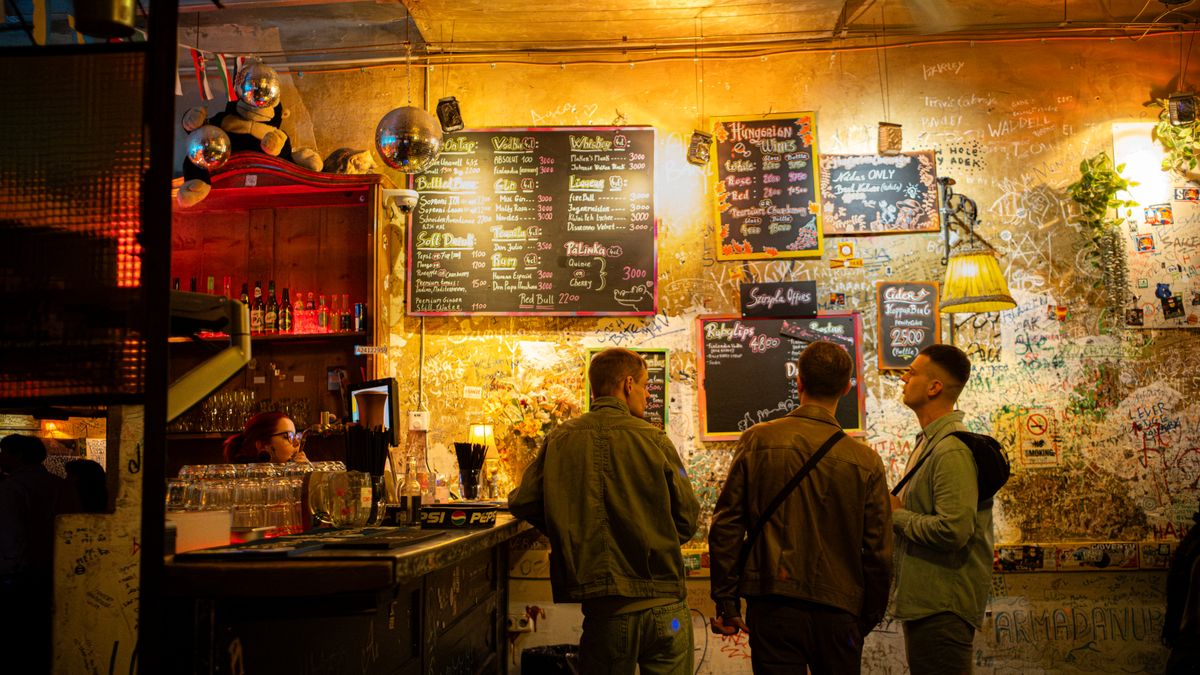
Two neighbouring districts extend the scene. District VI (Terezvaros), running along grand Andrassy avenue, mixes wine bars, theatres and restaurants with a calmer residential feel a few streets back. District V (Belvaros, the inner city) is the polished, central, tourist-facing option with cocktail bars and riverfront terraces, though rents there are among the highest in the city.
If a short walk home from the bars is the priority, District VII is unmatched. Just know that living inside the bar core means noise, foot traffic and stag groups, especially on weekends.
Can you get both a calm home and a night out?
Yes, and this is where most newcomers actually land. The trick is to live near the action without living on top of it. Choosing a street a few blocks from the ruin-bar core, or a district that borders the centre, gives you a 10 to 15 minute walk to the bars and a quiet night's sleep.
The strongest middle-ground picks are outer District VII and District VI away from the main party streets, District IX (Ferencvaros) around the revitalised Raday utca, and the Pest riverfront in District XIII. On the Buda side, Districts I and II put you minutes from the centre by tram or metro while staying green and calm. Deciding between the two banks is its own question, covered in our guide to Buda versus Pest living.
How loud is the party district, and is it regulated?
The party district is genuinely loud at night, and that is the single biggest reason families avoid the inner streets of District VII. The district has tried to manage the impact rather than end it. Venues need a special permit to trade between midnight and 6 a.m., the number of those permits is capped, and shops in the area cannot sell alcohol between 10 p.m. and 6 a.m., according to local reporting on the district decree.
Zoom out and the reassuring part is safety. Budapest's overall crime index sits around 33.9 on Numbeo, well below London or Paris, and Hungary's own Safe in Hungary portal reflects a low-risk environment for residents. Even the nightlife core is more about noise and crowds than danger. Families simply pick a quieter street, and night owls accept the buzz as part of the deal.
What do these neighborhoods cost to rent?
Location drives price more than size in Budapest. A one-bedroom apartment in a central district typically runs about 600€ to 840€ per month, per Numbeo and Wise data as of 2026. The lively central districts and the premium Buda hills sit at the top of that range.
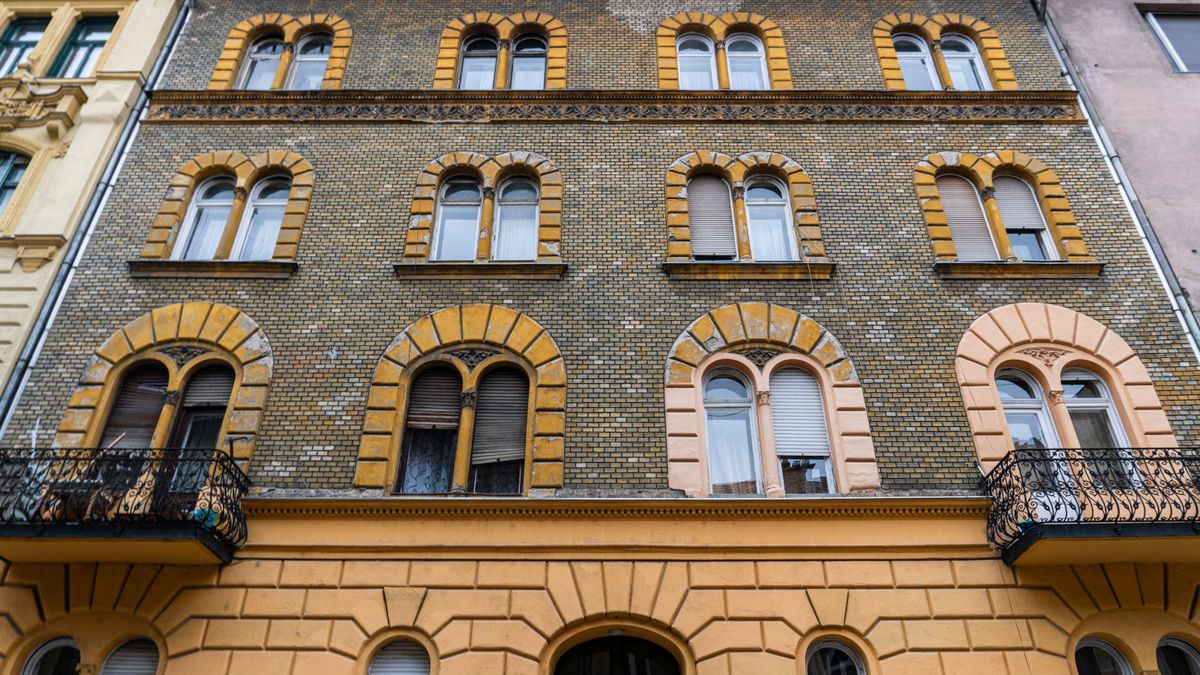
The most expensive rentals cluster in District V, District II (Rozsadomb) and District XII, while two-bedroom homes range from roughly 660€ in outer residential areas to 1,330€ in central or hillside districts, according to market data for 2026. Riverside District XIII often gives families the best balance of space, calm and price. For the full picture on deposits, contracts and how to search, see renting an apartment in Budapest.
How do you choose the right area for your situation?
Start with the non-negotiable, then work outward. If you have school-age children, pick the school first and choose a district around it, usually the Buda hills or a well-connected Pest area. If nightlife and walkability define your week, District VII or its edges make sense. If you want both, aim for the border streets that sit within a short walk of the centre but out of the noise.
A simple way to decide:
- Young family: District XII, District II or riverside District XIII
- Young professional who goes out: District VII, VI or V
- Calm home plus a night out: outer District VII, District IX or District XIII
- Value and space over prestige: District XIV (Zuglo) or outer Buda
Whatever you choose, view in person and at different times of day. A street that feels charming at noon can be a different place at 2 a.m., and the reverse is true for a quiet block that comes alive on weekends.
Frequently asked questions
What is the most family-friendly district in Budapest?
District XII (Hegyvidek) and District II in the Buda hills are the top choices for families thanks to green space, quiet streets and international schools. Riverside District XIII (Ujlipotvaros) is the leading Pest-side option, with parks, Margaret Island nearby and a settled community of young families.
Which district is Budapest's party district?
District VII (Erzsebetvaros), the old Jewish Quarter, is Budapest's nightlife centre and the birthplace of the ruin bars such as Szimpla Kert. Districts VI and V nearby also stay lively, but VII is the loudest area after dark.
Is it a bad idea to live in District VII?
Not necessarily, it depends on your tolerance for noise. The inner streets are loud on weekends because of the bars, while outer District VII and its edges stay much calmer. Late-night venues need a special permit to trade between midnight and 6 a.m. and the number of permits is capped, per local reporting.
Are Buda or Pest neighborhoods better for families?
Buda, especially Districts II and XII, offers the greenest, quietest family setting and most international schools, but at a premium price. Pest's District XIII gives families a more affordable, urban alternative with riverside parks and Margaret Island close by.
How much does it cost to rent in a good Budapest district?
A one-bedroom in a central district runs roughly 600€ to 840€ a month as of 2026, with District V and the Buda hills at the top end and District XIII offering better value, per Numbeo data.
This article is general information for people relocating to Hungary, last reviewed in July 2026. It is not legal, tax or medical advice. Rules change often, so always confirm the current details with the official sources linked above before you act.
← Back to Housing & Real Estate