Renting an Apartment in Budapest: Prices and Process (2026)
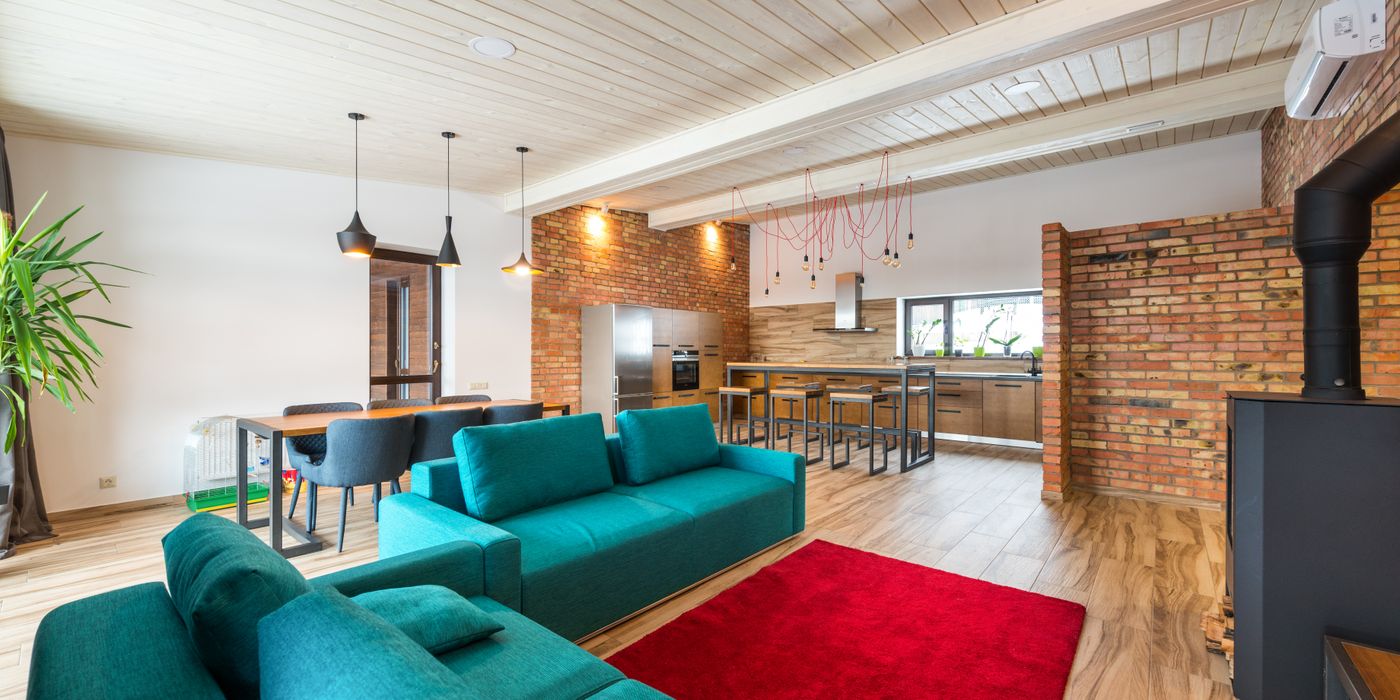
- A one-bedroom flat in central Budapest runs roughly 600€ to 840€ a month in 2026, with studios from about 450€ and larger apartments above 900€.
- Expect a two-month security deposit plus the first month paid together on signing, usually in cash.
- Estate agents are paid by the landlord, so browsing ingatlan.com, classifieds and Facebook groups costs a tenant nothing.
- Budget for a monthly building fee (közös költség) and utilities (rezsi) on top of the headline rent.
How much does it cost to rent an apartment in Budapest?
Renting a one-bedroom apartment in central Budapest costs roughly 600€ to 840€ a month in 2026, according to Numbeo and Wise. Studios start lower, from about 450€ to 700€, while a larger two-bedroom or three-bedroom sits above 900€, per a 2026 rental overview from Daily News Hungary.
In forint terms, Numbeo puts a central one-bedroom near HUF 278,000 a month and the same size outside the centre closer to HUF 211,000, so moving one or two districts out can cut the rent by roughly a quarter. Rents are quoted in forint, yet many landlords who target international tenants also think in euros, and at about 390 to 400 forint to the euro in 2026 the two figures line up.
Budapest stays one of the better-value capitals in the European Union, well below Vienna, Berlin or London for the same space. To see how rent fits into the wider picture, read the district guide to where to live in Budapest.
Where do you find apartments to rent in Budapest?
Most searches start on ingatlan.com, Hungary's largest property portal, where you can filter by district, price, number of rooms and furnished or unfurnished status. The classifieds site jófogás (good catch) and expat Facebook groups such as Flats for Rent in Budapest surface listings placed directly by owners, which sometimes beat the portals on price.

Estate agents are worth using and cost a tenant nothing: agency fees in Hungary are paid by the landlord, so an agent's help with viewings and translation is free for the renter, confirms a Budapest rental guide. Listings move fast in the August and September student peak, so start looking four to six weeks before your target move-in date.
Whether you prefer the quiet, green hills of Buda or the lively centre of Pest changes both the price and where you search, so decide your side of the river early and view several flats in a single day.
What does the rental process look like step by step?
The Hungarian rental process is direct and relationship-driven, with no national application form and no central deposit scheme. In practice it runs in five steps: shortlist listings, book viewings, agree terms with the owner or agent, sign a written contract, then pay the deposit and first month together.

- Shortlist and view: line up several viewings in a day, since good flats let quickly.
- Agree terms: rent, deposit, contract length, who pays the building fee and what furniture stays.
- Sign a written agreement: always insist on a written contract, never a handshake.
- Pay on signing: the deposit plus the first month are usually handed over at the same time, often in cash.
- Take keys with an inventory: photograph the flat's condition on move-in day.
Landlords keep wide discretion over who they accept, so a clean, prepared file (passport plus proof of income or employment) helps you stand out, especially in the busy season.
How much deposit do you pay, and how do you get it back?
The standard security deposit is two months' rent, though some owners ask for three, particularly from foreign tenants or where there is a pet, per the same 2026 rental guide. Hungary has no centralised deposit protection scheme, so the money sits with the landlord rather than a neutral third party.
You get the deposit back after you move out, once any final utility bills that arrive late have been settled and provided there is no damage beyond normal wear. Because no independent body holds the funds, a detailed move-in inventory with photos and a clear contract clause on the return timeline are your best protection.
One trap catches many newcomers: breaking a fixed-term lease early usually means losing the deposit. Before you sign, read the common rental contract traps to avoid.
What should the rental contract include?
A Budapest lease is normally a fixed 12-month term put in writing, and a fixed term ends automatically on its end date rather than rolling over, so note the expiry in your calendar. Where a contract is bilingual, the Hungarian version is the one that legally governs, so have the Hungarian text checked before signing.

Make sure the contract names the parties, the exact address, the monthly rent and currency, the deposit amount and return conditions, the contract length and notice terms, and who pays the building fee and utilities. It should also state that the landlord agrees to register you at the address, which you will need for later administration.
Some landlords ask for the contract to be signed before a notary, which lets them evict faster if rent goes unpaid; this is legal and common in Budapest. If any clause is unclear, get it explained rather than signing on trust.
What extra monthly costs come on top of rent?
Two recurring charges sit on top of the headline rent. The building fee, közös költség (common cost), runs about 50€ to 150€ a month and covers shared upkeep such as cleaning, the lift and rubbish collection, according to the expat rental guide. Always ask whether this is included in the quoted rent or billed separately.
Household utilities, known collectively as rezsi (household bills), typically add 100€ to 400€ a month depending on the flat's size and the season, with winter heating pushing the figure toward the top of that range. High-speed internet is cheap at roughly 10€ to 25€ a month.
For a full move-in budget covering meters, connections and setup deposits, see the guide to utilities and setting up a new home.
Do you need to register your address after renting?
Yes. Once you move in, you register your home address with the government to receive a lakcímkártya (address card), the document that unlocks banking, tax and healthcare in Hungary. Your landlord signs an approval statement confirming you may live at the address, which you present with your passport and the signed lease.
The card itself is cheap, with an official fee of about HUF 3,700 (under 10€), per Helpers Hungary, and it usually arrives by post within a few weeks. Because a cooperative landlord is essential here, confirm before signing that the owner will provide the registration statement.
For the full procedure, eligibility and paperwork, read the dedicated guide to getting your address card (lakcímkártya).
Which districts should newcomers target?
Newcomers who want to be central and walkable usually look at Pest districts VI (Terézváros), VII (Erzsébetváros, the nightlife-heavy old Jewish quarter) and V (Belváros, the smart inner core), plus family-friendly XIII (Újlipótváros) along the river. On the Buda side, districts I and II offer calmer, greener streets.
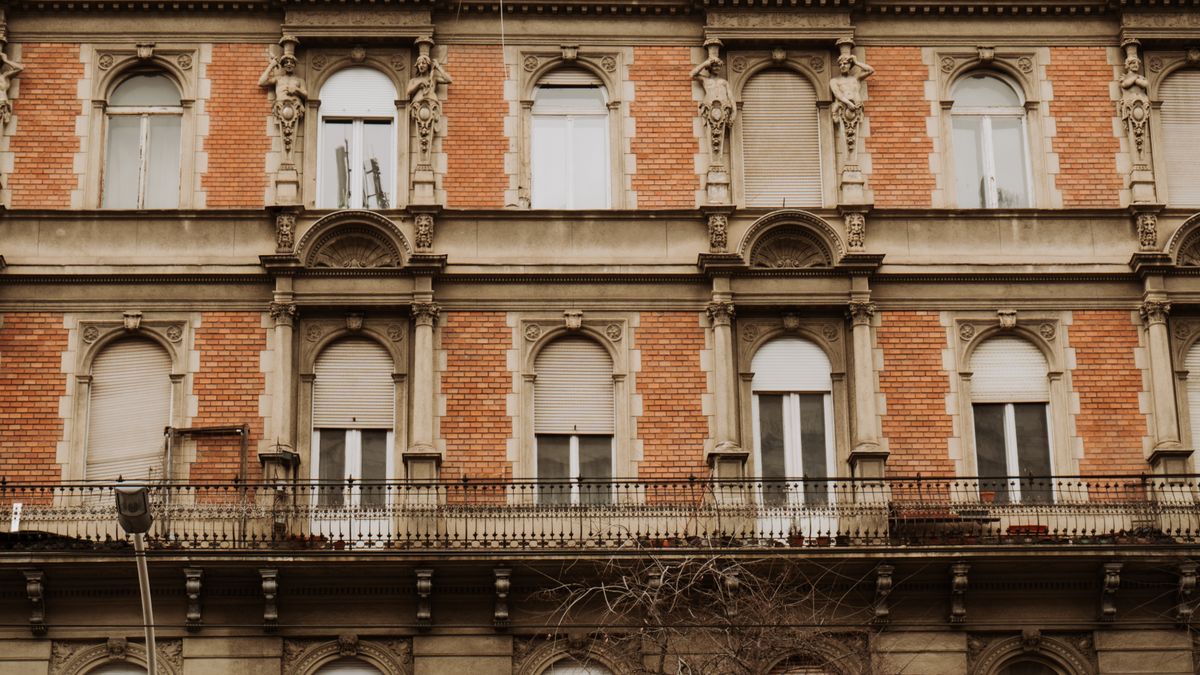
Prices drop noticeably one ring out into districts VIII, IX and XIV, which still reach the centre quickly by metro and tram. As the price comparison above shows, the same one-bedroom can cost roughly a quarter less just outside the core.
Match the district to your commute and daily routine rather than the postcode's reputation, and always view in person before committing, since photos flatter and floor plans hide the walk-up stairs.
Frequently asked questions
Do you pay a fee to a real estate agent when renting in Budapest?
No. In Hungary the landlord pays the estate agent's commission, so an agent's viewings and translation are free for tenants, according to a Budapest rental guide. You only pay if you separately hire a tenant's agent to search on your behalf, which is uncommon for standard rentals.
How much is the deposit to rent a flat in Budapest?
Two months' rent is standard, and some landlords ask for three, especially from foreign tenants or when there is a pet, per Daily News Hungary. You usually pay the deposit and the first month together on signing, often in cash.
Can foreigners rent an apartment in Budapest without residency?
Yes. There is no residency requirement to sign a private lease, and a passport is enough to rent. You will, however, need the lease and your landlord's approval statement to register your address (lakcímkártya) afterward, which banking and healthcare in Hungary depend on.
How long is a standard rental contract in Budapest?
Twelve months is the usual fixed term. A fixed-term lease ends automatically on its end date rather than renewing on its own, and breaking it early typically costs you the deposit, so match the term to how long you plan to stay.
Is it cheaper to rent outside the centre of Budapest?
Yes. Numbeo data puts a one-bedroom near HUF 278,000 a month in the centre versus about HUF 211,000 a ring out, so moving one or two districts from the core can cut roughly a quarter off the rent while staying on the metro.
This article is general information for people relocating to Hungary, last reviewed in July 2026. It is not legal, tax or medical advice. Rules change often, so always confirm the current details with the official sources linked above before you act.
← Back to Housing & Real Estate